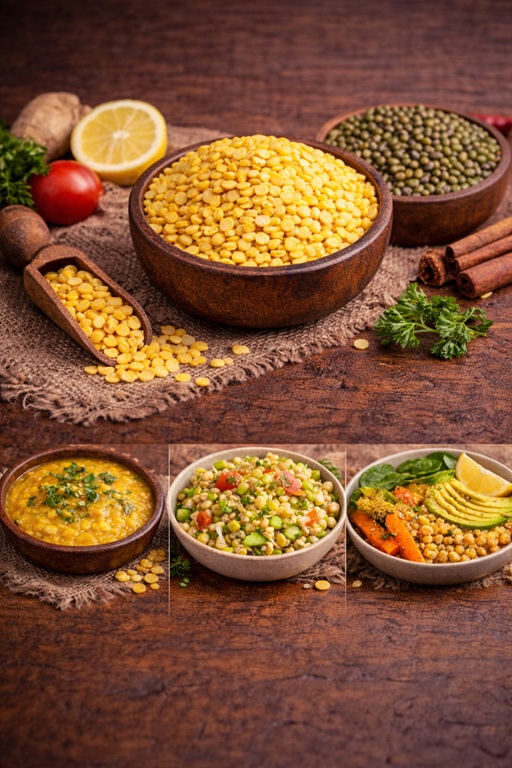
Moong Dal, known in Germany as Mungbohnen (or specifically geschälte Mungbohnen for the split version), is one of the most underrated plant-based foods in Europe. While lentils (Linsen) and chickpeas (Kichererbsen) dominate the market, Moong Dal offers something they don’t: exceptional digestibility with solid nutrition.
For anyone in Germany exploring plant-based diets, gut-friendly foods, or high-protein vegetarian options, Moong Dal is not just another ingredient—it’s a smarter choice.
This guide breaks down exactly what Moong Dal is, its nutritional value, health benefits, and how to actually use it in German kitchens without overcomplicating things.
What Is Moong Dal (Mungbohnen)?
Moong Dal comes from mung beans, small green legumes widely used in Asian cuisine. When these beans are split and their outer green skin is removed, they become yellow Moong Dal.
Two Main Types:
1. Whole Mung Beans (Grüne Mungbohnen)
- Green outer skin intact
- Slightly longer cooking time
- Used for sprouting and salads
2. Split Yellow Moong Dal (Geschälte Mungbohnen)
- Skin removed and split
- Yellow in color
- Faster cooking and easier digestion
Important distinction:
Moong Dal is not the same as lentils. It cooks faster, feels lighter, and is far easier on the stomach.
Why Moong Dal Is Gaining Attention in Germany
Germany’s food trends are shifting rapidly:
- Increase in vegan and vegetarian diets
- Focus on gut health and digestion
- Demand for light, high-protein meals
Moong Dal fits perfectly into this shift because it solves a major problem:
Most legumes cause bloating. Moong Dal doesn’t—at least not to the same extent.
That alone makes it valuable.
Nutritional Value of Moong Dal
Per 100g (dry, approximate):
- Protein: 23–24g
- Carbohydrates: 55–60g
- Fiber: 8–10g
- Fat: 1–2g
- Iron: High
- Magnesium & Potassium: Present
What These Numbers Actually Mean
On paper, Moong Dal is similar to lentils. But the difference is not just numbers—it’s usability.
- High protein → supports muscle and recovery
- Moderate fiber → easier digestion than heavier legumes
- Low fat → clean energy source
Blunt truth:
Moong Dal is not the highest protein legume—but it’s the easiest to eat consistently.
Health Benefits of Moong Dal
1. Extremely Easy to Digest
This is its biggest advantage.
Because the outer skin is removed:
- Less fiber irritation
- Faster breakdown in the stomach
- Reduced bloating and gas
This is why Moong Dal is often recommended in:
- Recovery diets
- Light meals
- Detox plans
2. Supports Gut Health
Heavy legumes can stress digestion. Moong Dal does the opposite.
- Gentle on intestines
- Suitable for sensitive stomachs
- Ideal for people switching to plant-based diets
3. High-Quality Plant Protein
Moong Dal provides a strong protein base for:
- Vegetarians
- Vegans
- Fitness-focused diets
While not a complete protein alone, it pairs well with grains like rice.
4. Helps in Weight Management
- High satiety (keeps you full longer)
- Low fat
- Easy digestion → less heaviness
Perfect for:
- Calorie control
- Clean eating
5. Stabilizes Blood Sugar
Moong Dal has a relatively low glycemic index.
- Slow release of energy
- Avoids spikes and crashes
Moong Dal vs Lentils vs Chickpeas
Let’s be direct.
| Feature | Moong Dal | Lentils | Chickpeas |
|---|---|---|---|
| Digestion | Excellent | Good | Moderate |
| Protein | High | High | High |
| Cooking Time | Very fast | Fast | Slow |
| Bloating Risk | Low | Medium | High |
Real Conclusion:
- Want easiest digestion → Moong Dal wins
- Want familiarity → Lentils win
- Want texture variety → Chickpeas win
How to Use Moong Dal in German Kitchens
This is where most content fails. You don’t need complex Indian recipes. You need adaptation.
1. Moong Dal Soup (German-Friendly Version)
Why this works:
- Feels like a traditional European soup
- Light and easy
Basic Idea:
- Cook Moong Dal with carrots, celery, onion
- Add vegetable broth
- Blend partially
Result: creamy, high-protein soup without heaviness
2. Light Moong Dal Curry (Mild)
Why this works:
- Introduces flavor without overwhelming
Approach:
- Minimal spices (turmeric, cumin)
- No heavy chili
- Smooth consistency
3. Moong Dal for Meal Prep
Cook once → use for 3–4 days:
- Add to bowls
- Mix with vegetables
- Use as side dish
4. Sprouted Mung Beans (Whole Version)
Why this matters:
- Huge health trend in Germany
Use:
- Salads
- Cold dishes
- Detox meals
5. Protein Bowls
Combine:
- Cooked Moong Dal
- Roasted vegetables
- Olive oil + lemon
Simple. Effective. Market-ready.
Cooking Moong Dal: Step-by-Step
Ingredients:
- 1 cup Moong Dal
- 3 cups water
Steps:
- Rinse thoroughly
- No soaking required
- Boil → simmer
Cooking Time:
- 15–20 minutes
Key Tip:
Moong Dal cooks very fast. Overcooking = mush.
Where to Buy Moong Dal in Germany
This is critical for SEO and conversion.
1. Online Platforms
- Amazon.de
- eBay.de
- Vegan stores
Search terms:
- Mungbohnen kaufen
- Moong Dal Germany
2. Indian & Asian Stores
Available in:
- Berlin
- Frankfurt
- Munich
- Hamburg
Best for authentic quality.
3. Organic Stores (Limited)
Some bio stores carry:
- Whole mung beans
- Occasionally split Moong Dal
4. Bulk Suppliers
For businesses:
- Better pricing
- Consistent supply
What to Look for When Buying
Quality Indicators:
- Clean, bright yellow color (for split)
- No dust or debris
- Uniform size
Organic vs Regular:
- Organic = premium segment
- Regular = mass usage
Why Moong Dal Is Still Underrated in Germany
Simple answer: awareness gap.
- Lentils are familiar
- Chickpeas are trendy
- Moong Dal is unknown
That Creates Opportunity
For:
- Content creators
- Brands
- Sellers
Low competition + growing demand = strong positioning potential.
Final Verdict
Moong Dal is not just another legume. It’s a functional food.
- High protein
- Fast cooking
- Exceptional digestion
For German consumers moving toward healthier, plant-based eating, it solves real problems that other legumes don’t.
What You Should Do Next
If you’re a consumer:
- Start with simple soup or dal
- Test digestion
- Build into routine
If you’re a seller or brand:
- This is a low-competition SEO niche
- Build content + product pages together
- Target digestion + health angle aggressively
Bottom Line
Most people choose food based on trends.
Smart people choose based on:
- Digestion
- Consistency
- Practicality
Moong Dal wins where it actually matters.