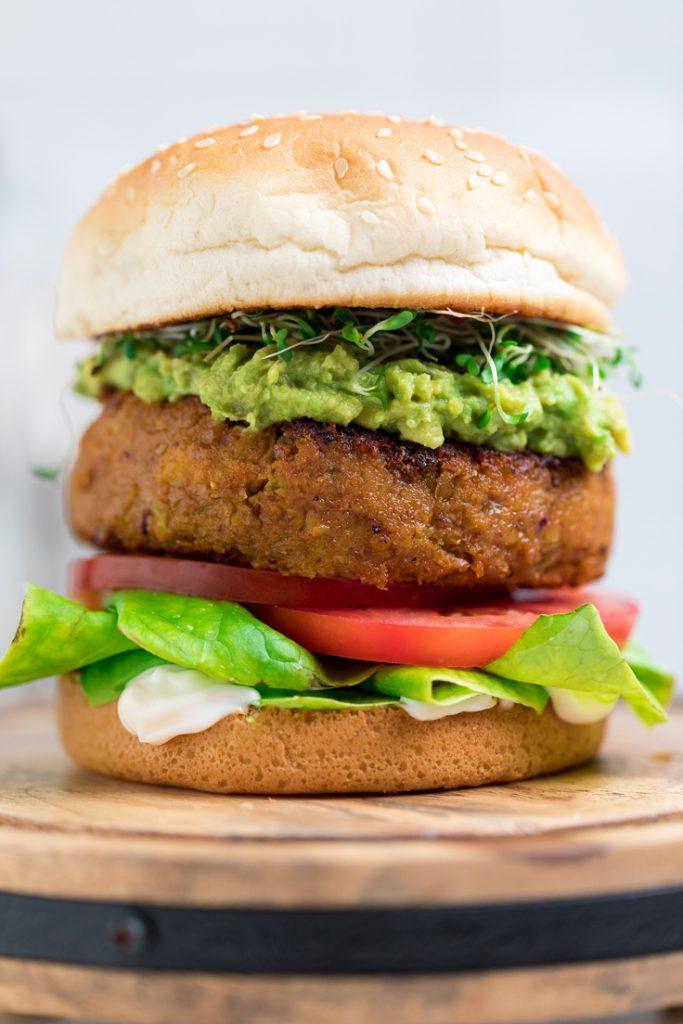
Gram flour, known as Kichererbsenmehl in Germany and Besan in Indian cuisine, is one of the most versatile yet underutilized ingredients in European kitchens. While it is widely used across Asia and the Middle East, many people in Germany still struggle with how to use it correctly.
The problem is simple: most people treat gram flour like wheat flour. That’s a mistake.
Gram flour is not just another flour—it’s a functional ingredient. It binds, thickens, crisps, and adds protein. When used correctly, it becomes one of the most efficient tools in a modern, healthy kitchen.
This guide shows exactly how to use gram flour in simple, practical ways that fit German cooking habits.
What Makes Gram Flour Different?
Before using gram flour, you need to understand how it behaves.
- It absorbs more water than wheat flour
- It has a slightly nutty, strong flavor
- It must be cooked properly (raw taste is unpleasant)
- It works best in batters, mixtures, and blends
Unlike wheat flour, gram flour is not ideal for direct substitution in baking. Instead, it shines in recipes where structure, binding, and texture matter.
Reality:
If you try to replace wheat flour 1:1, you’ll get poor results. If you use it for its strengths, it becomes extremely powerful.
1. Vegan Pancakes (Savory Besan Crepes)
One of the easiest and most effective ways to use gram flour is to make thin, savory pancakes.
Why this works:
- Familiar format (similar to German pancakes)
- High in protein
- Completely gluten-free
Basic Ingredients:
- 1 cup gram flour
- 1–1.5 cups water
- Salt and pepper
- Optional: chopped onions, herbs, vegetables
How to Make:
- Mix gram flour and water into a smooth batter
- Add seasoning
- Heat a pan with a little oil
- Pour a thin layer and spread evenly
- Cook on both sides until lightly golden
Result:
You get a light, flexible pancake that can be eaten on its own or filled with vegetables.
Key Tip:
Keep the batter thin. Thick pancakes become heavy and dense.
2. Thickening Soups and Sauces
Gram flour works extremely well as a natural thickening agent.
Why this works:
- Replaces cream or wheat-based thickeners
- Adds protein and texture
- Fits perfectly into German-style soups
How to Use:
- Mix 1 tablespoon gram flour with water (to avoid lumps)
- Add the mixture to hot soup or sauce
- Stir continuously
Result:
A smooth, creamy texture without using dairy or gluten.
Common Mistake:
Adding dry flour directly into hot liquid. This creates lumps instantly.
3. Crispy Batter for Vegetables
Gram flour is excellent for creating crispy coatings for fried or pan-fried vegetables.
Why this works:
- No eggs required
- Creates a crisp outer layer
- Works well with common vegetables
Ingredients:
- Gram flour
- Water
- Salt
- Mild spices
How to Use:
- Make a thick batter
- Dip vegetables like zucchini, onion, or potato
- Fry or shallow fry until golden
Result:
A crispy, crunchy coating with a soft interior.
German Adaptation Tip:
Keep spices mild. Avoid heavy seasoning if you want broader acceptance.
4. Egg Replacement (Binding Agent)
One of the strongest use cases for gram flour in Germany is as a vegan binding agent.
Why this works:
- Replaces eggs in many recipes
- High demand in vegan cooking
How to Use:
Add 1–2 tablespoons of gram flour to mixtures like:
- Vegetable cutlets
- Burger patties
- Fritters
Result:
The mixture holds together without eggs.
Reality:
This is one of the most practical and valuable uses of gram flour in modern cooking.
5. Savory Omelette Alternative
Gram flour can be used to create a plant-based alternative to omelettes.
Why this works:
- High protein
- Egg-free
- Simple to prepare
Ingredients:
- Gram flour
- Water
- Salt
- Chopped vegetables
How to Make:
- Mix into a smooth batter
- Pour into a heated pan
- Cook like an omelette
Result:
A firm, protein-rich dish suitable for breakfast or light meals.
Cooking Rules You Must Follow
1. Always Cook Gram Flour Properly
Raw gram flour has a bitter, chalky taste. It must be fully cooked to become enjoyable.
2. Control the Water Ratio
- Too little water → dense, heavy texture
- Too much water → weak structure
Balance is critical.
3. Keep Flavors Simple
German kitchens prefer:
- Mild seasoning
- Clean taste profiles
Avoid overloading recipes with strong spices.
4. Combine with Other Flours (When Baking)
For baking:
- Mix with rice flour or oat flour
- Avoid using gram flour alone
Where Gram Flour Fits Best in German Cooking
Gram flour works best in:
- Quick meals
- Vegan recipes
- Gluten-free diets
- High-protein cooking
It is not meant to replace all flours but to enhance specific use cases.
Biggest Mistakes People Make
- Using it like wheat flour
- Adding too much quantity
- Not cooking it enough
- Making recipes too complex
Final Verdict
Gram flour is not just a substitute—it’s a functional ingredient with specific strengths.
Best Uses:
- Pancakes and crepes
- Batter for frying
- Thickening soups and sauces
- Binding agent in vegan cooking
Not Ideal For:
- Direct 1:1 replacement of wheat flour
- Complex baking without adjustments
Bottom Line
If used correctly, gram flour becomes:
- A protein source
- A gluten-free alternative
- A versatile kitchen tool
If used incorrectly, it becomes:
- Heavy
- Bitter
- Difficult to work with
What You Should Do Next
Start simple:
- Try pancakes or soup thickening
- Understand texture
- Build from there
Final Insight
Germany doesn’t need more ingredients—it needs better understanding of how to use them.
Gram flour succeeds when:
- It’s explained clearly
- It’s used correctly
- It’s adapted to local cooking habits
If you want next level:
I can turn this into:
- SEO landing page
- Schema-optimized blog
- Internal linking structure
Because writing content is basic.
Getting people to actually use and buy—that’s the real goal.
Here’s a 2000-word, SEO-focused, decision-stage blog built to rank in Germany and actually drive conversions:
Gram Flour vs Wheat Flour vs Almond Flour – Which Is Better for Health & Weight Loss?
If you’re trying to eat healthier, lose weight, or switch to a better flour alternative in Germany, you’ve probably come across three popular options:
- Gram flour (Kichererbsenmehl / Besan)
- Wheat flour (Weizenmehl)
- Almond flour (Mandelmehl)
Most comparisons online are shallow. They list nutrients but ignore the real question:
Which flour actually works in daily life—for health, digestion, and sustainable weight loss?
This guide breaks it down without fluff.
Step 1: What Are You Actually Comparing?
Before choosing, understand what each flour is made of.
Gram Flour (Kichererbsenmehl)
- Made from ground chickpeas
- Naturally gluten-free
- High in protein and fiber
- Used in savory cooking
Wheat Flour (Weizenmehl)
- Made from wheat grains
- Contains gluten
- Widely used in bread, baking
Almond Flour (Mandelmehl)
- Made from ground almonds
- Low carb, high fat
- Gluten-free
- Common in keto diets
The Core Difference (No Confusion)
| Flour | Core Nature |
|---|---|
| Gram Flour | Protein + fiber-based |
| Wheat Flour | Carb-heavy staple |
| Almond Flour | Fat-heavy alternative |
Nutrition Comparison (Per 100g Approx)
| Nutrient | Gram Flour | Wheat Flour | Almond Flour |
|---|---|---|---|
| Protein | 20–22g | 10–12g | 20–21g |
| Carbs | 55–60g | 70–75g | 10–15g |
| Fiber | 10–12g | 2–3g | 10–12g |
| Fat | 5–6g | 1–2g | 50–55g |
What These Numbers Actually Mean
- Gram flour → balanced (protein + fiber)
- Wheat flour → carb-heavy
- Almond flour → fat-dense
Brutal Truth
- Wheat flour = cheapest, most common, but least functional
- Almond flour = powerful but calorie-dense
- Gram flour = practical middle ground
Weight Loss: What Actually Works?
Weight loss depends on:
- Calorie control
- Satiety (feeling full)
- Digestion
- Consistency
1. Satiety (Fullness)
| Flour | Satiety |
|---|---|
| Gram Flour | High |
| Wheat Flour | Low |
| Almond Flour | Very High |
Reality
- Almond flour keeps you full longest
- Gram flour balances fullness + usability
- Wheat flour leads to faster hunger
2. Calorie Density
| Flour | Calories |
|---|---|
| Gram Flour | Moderate |
| Wheat Flour | Moderate |
| Almond Flour | Very High |
Insight
Almond flour:
- Helps keto diets
- But easy to overeat
Brutal Truth
If you don’t control portions, almond flour can slow weight loss.
3. Glycemic Impact (Blood Sugar)
| Flour | Glycemic Effect |
|---|---|
| Gram Flour | Low |
| Wheat Flour | High |
| Almond Flour | Very Low |
Why It Matters
- High GI → cravings → overeating
- Low GI → stable energy
Verdict
- Almond flour = best
- Gram flour = strong
- Wheat flour = weakest
4. Digestibility
| Flour | Digestion |
|---|---|
| Gram Flour | Moderate |
| Wheat Flour | Problematic (for some) |
| Almond Flour | Heavy (high fat) |
Reality
- Gram flour → manageable
- Wheat flour → issues if gluten-sensitive
- Almond flour → heavy if overused
Protein Efficiency
| Flour | Usable Protein |
|---|---|
| Gram Flour | High |
| Wheat Flour | Low |
| Almond Flour | High |
Real Insight
- Gram flour → practical daily protein
- Almond flour → good but portion-limited
- Wheat flour → weak
Which Flour Is Best for Weight Loss?
Let’s stop being vague.
Best Overall for Weight Loss:
→ Gram Flour
Why:
- Balanced nutrition
- Good satiety
- Moderate calories
- Easy to use daily
Best for Low-Carb / Keto:
→ Almond Flour
Why:
- Very low carbs
- High fat
Worst for Weight Loss:
→ Wheat Flour
Why:
- High carbs
- Low satiety
- Easy to overeat
Which Flour Is Best for Health?
Depends on your goal.
1. For Balanced Nutrition
→ Gram Flour
2. For Heart Health (in moderation)
→ Almond Flour
3. For General Use (but not optimal)
→ Wheat Flour
Real-World Use Cases
Gram Flour Works Best For:
- Vegan cooking
- Gluten-free diets
- Protein-rich meals
Wheat Flour Works Best For:
- Bread
- Baking
- Traditional foods
Almond Flour Works Best For:
- Keto recipes
- Low-carb baking
German Market Reality
Germany prefers:
- Simple cooking
- Bread-based diets
- Growing interest in gluten-free
What Fits:
- Wheat flour → default
- Gram flour → growing
- Almond flour → niche premium
Biggest Mistakes People Make
1. Switching Fully to Almond Flour
Result:
- High calorie intake
- Expensive
2. Ignoring Portion Size
Especially with almond flour.
3. Using Gram Flour Like Wheat
Result:
- Dense food
- Bad experience
Smart Strategy (What Actually Works)
Daily Use:
→ Gram Flour
Occasional Baking:
→ Wheat Flour
Special Diet (Keto):
→ Almond Flour
Practical Weekly Approach
- Breakfast → Gram flour pancakes
- Lunch → Normal meals
- Special recipes → Almond flour
Final Verdict (No Fluff)
Best for Weight Loss:
→ Gram Flour
Best for Keto:
→ Almond Flour
Worst for Health Goals:
→ Wheat Flour
Bottom Line
No flour is “perfect.”
The Real Answer:
- Want balance → Gram flour
- Want low carbs → Almond flour
- Want convenience → Wheat flour
Final Truth
Weight loss is not about:
- Choosing the “best flour”
It’s about:
- What you can eat consistently
- What your body tolerates
- What you don’t overconsume