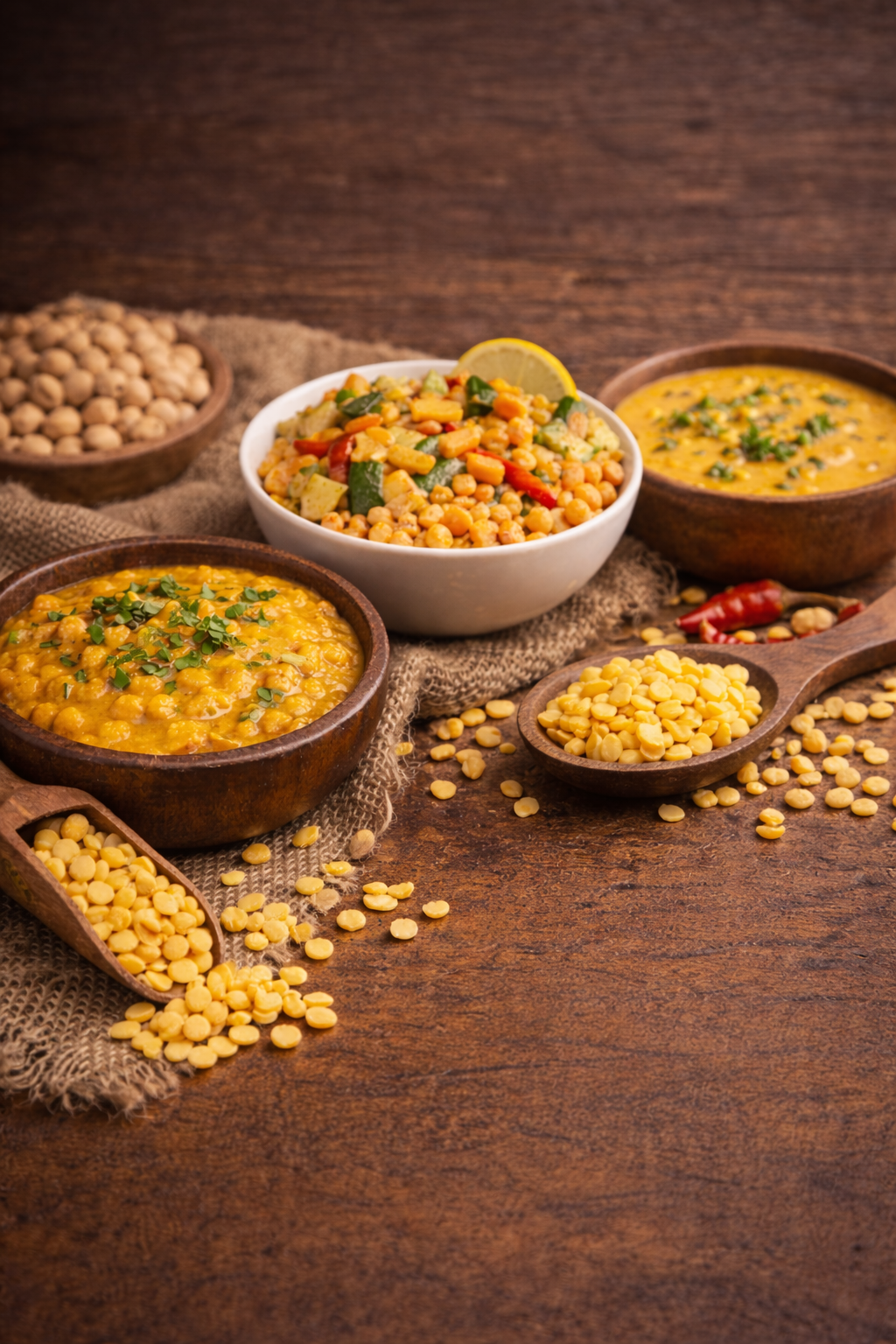
How to Cook Chickpea Splits (Chana Dal) – Easy Recipes for German Kitchens
Chickpea splits, known as Kichererbsen gespalten in Germany and Chana Dal in Indian cuisine, are one of the most practical plant-based protein sources available today. Yet despite their nutritional strength and versatility, they remain underused in German kitchens.
The reason is simple: lack of clarity.
Most people don’t know how to cook them, how they taste, or how to integrate them into familiar meals. This guide eliminates that confusion. You’ll learn exactly how to cook chickpea splits, avoid common mistakes, and use them in easy, localized recipes that actually fit German cooking habits.
What Are Chickpea Splits and Why Should You Care?
Chickpea splits are dried chickpeas that have been peeled and split into halves. Unlike whole chickpeas, they cook faster, digest more easily, and have a softer, creamier texture.
If you’re in Germany and following a vegan, vegetarian, or fitness-focused diet, this ingredient solves three key problems:
- You need high protein without meat
- You want easy digestion without bloating
- You prefer quick cooking over long soaking
Reality check:
Whole chickpeas are inefficient. Lentils are overused. Chickpea splits sit in the sweet spot—yet most people ignore them.
Step-by-Step: How to Cook Chickpea Splits (Basic Method)
Before jumping into recipes, you need to master the base.
Ingredients:
- 1 cup chickpea splits (Kichererbsen gespalten)
- 3 cups water
- Salt (added later)
Step 1: Rinse Properly
Wash the chickpea splits under running water until the water runs clear. This removes dust and excess starch.
Step 2: Soaking (Optional but Smart)
- Soak for 30–60 minutes if you want faster cooking
- Skip soaking if you’re short on time
German kitchen reality:
Most people won’t soak. So your recipes must work without it.
Step 3: Cooking
- Add to a pot with water (3:1 ratio)
- Bring to a boil
- Reduce heat and simmer
Cooking time:
- Without soaking: 25–35 minutes
- With soaking: 15–20 minutes
Step 4: Check Texture
You want them soft but not mushy. Press between fingers:
- If it crushes easily → done
- If hard → cook longer
Step 5: Add Salt After Cooking
Adding salt early makes them harder. Always salt at the end.
Pressure Cooker Method (Faster Option)
If you’re serious about efficiency, use a pressure cooker.
Steps:
- Add chickpea splits + water
- Cook for 8–10 minutes after pressure builds
- Let pressure release naturally
Blunt truth:
If you cook legumes regularly and don’t use a pressure cooker, you’re wasting time.
Common Mistakes That Ruin Chickpea Splits
1. Undercooking
Result: Hard, unpleasant texture
Fix: Cook longer. There’s no shortcut.
2. Overcooking
Result: Mushy paste
Fix: Monitor closely after 20 minutes
3. Skipping Rinse
Result: Bitter taste, foam formation
4. Over-spicing (Big mistake in Germany)
Most German consumers prefer mild flavors. If your dish is too spicy, they won’t repeat it.
Easy Recipes for German Kitchens
This is where most blogs fail. They dump Indian recipes without adapting them. That doesn’t work.
Below are localized recipes designed for German taste preferences.
1. Mild Chana Dal Curry (German-Friendly Version)
Ingredients:
- 1 cup cooked chickpea splits
- 1 onion (chopped)
- 2 garlic cloves
- 1 tomato
- 1 tsp turmeric
- 1 tsp cumin
- Salt
- Olive oil
Instructions:
- Heat oil in a pan
- Add onion and garlic → sauté until soft
- Add tomato → cook until mushy
- Add spices (keep it mild)
- Add cooked chickpea splits + water
- Simmer for 10–15 minutes
Why this works in Germany:
- Mild flavor profile
- Familiar texture (similar to lentil soup)
- Easy to pair with bread or rice
2. Vegan Protein Bowl with Chickpea Splits
Ingredients:
- Cooked chickpea splits
- Roasted vegetables (carrot, zucchini, paprika)
- Olive oil
- Lemon juice
- Salt & pepper
Instructions:
- Roast vegetables in oven (200°C, 20 min)
- Mix with chickpea splits
- Add dressing (olive oil + lemon)
Why this works:
- Fits perfectly into German fitness and vegan lifestyle
- No heavy spices
- Clean, modern meal format
3. Chickpea Split Soup (European Style)
Ingredients:
- Chickpea splits
- Carrots
- Celery
- Onion
- Vegetable broth
Instructions:
- Sauté vegetables
- Add chickpea splits + broth
- Cook until soft
- Blend partially for creamy texture
Why this works:
- Feels like a traditional European soup
- Easy entry point for beginners
4. Chickpea Split Salad (Cold Use Case)
Ingredients:
- Cooked and cooled chickpea splits
- Cucumber
- Cherry tomatoes
- Olive oil
- Vinegar
Instructions:
Mix everything and chill.
Why this works:
- Germans love cold salads
- High protein without heavy cooking
5. Chickpea Flour Pancakes (Gluten-Free Option)
Grind chickpea splits into flour (Besan).
Ingredients:
- Chickpea flour
- Water
- Salt
- Herbs
Instructions:
- Mix into batter
- Cook like pancakes
Why this works:
- Gluten-free trend is strong in Germany
- Simple and practical
Cooking Tips That Actually Matter
1. Batch Cooking
Cook once, store for 3–4 days in fridge.
2. Freezing
Freeze cooked chickpea splits in portions.
3. Flavor Control
Start mild → increase gradually
Don’t shock the palate
4. Texture Control
- Less water → thicker
- More water → soup
Why Chickpea Splits Are Perfect for Germany
Germany is shifting toward:
- Plant-based diets
- Sustainable food choices
- High-protein alternatives
Chickpea splits align perfectly because they are:
- Affordable
- Nutritious
- Easy to store
- Versatile
Hard truth:
The only reason they’re not mainstream yet is lack of awareness—not lack of value.