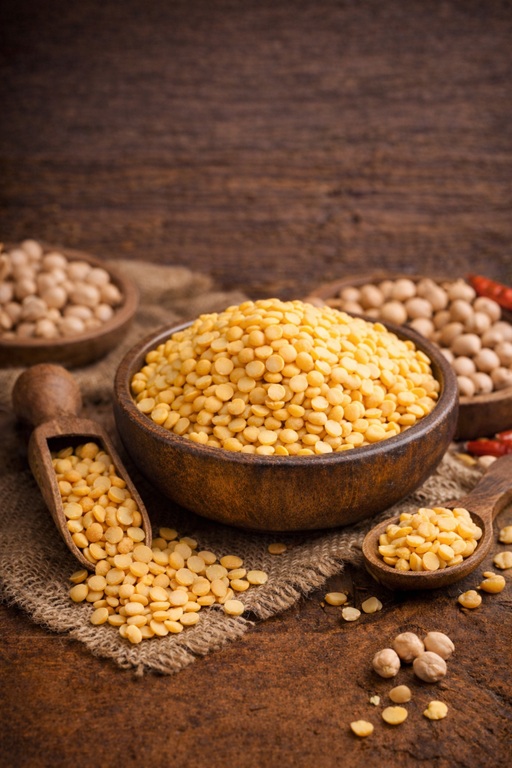
What Are Chickpea Splits? (Kichererbsen Gespalten) – Nutrition, Uses & Where to Buy in Germany
Chickpea splits, known as Kichererbsen gespalten in Germany and commonly called Chana Dal in Indian cuisine, are a powerful yet underrated ingredient in the European market. While whole chickpeas are widely recognized in Germany—used in hummus, salads, and vegan bowls—split chickpeas remain underutilized despite offering superior cooking convenience, digestibility, and versatility.
If you’re searching for a high-protein, plant-based, and easy-to-cook ingredient, chickpea splits deserve serious attention. This guide breaks down exactly what they are, their nutritional value, how to use them, and most importantly—where to buy them in Germany.
What Are Chickpea Splits (Kichererbsen Gespalten)?
Chickpea splits are made by removing the outer skin of brown or black chickpeas and splitting the inner seed into two halves. The result is a yellow lentil-like product that cooks faster and is easier to digest compared to whole chickpeas.
In global markets, especially in India, this is known as Chana Dal—a staple ingredient used in daily cooking. In Germany, however, awareness is still low, which creates a major opportunity for early adopters, vegan consumers, and health-conscious buyers.
Key Characteristics:
- Yellow in color (similar to lentils but thicker)
- Mild, nutty flavor
- Faster cooking time than whole chickpeas
- No outer skin → easier digestion
- High protein and fiber content
Important distinction:
Chickpea splits are not the same as yellow lentils (Gelbe Linsen). They come from chickpeas, not lentils, and have a different texture, taste, and nutritional profile.
Nutritional Value of Chickpea Splits
Chickpea splits are a nutritional powerhouse, especially relevant in Germany where plant-based diets are rapidly growing.
Per 100g (approximate values):
- Protein: 20–22g
- Fiber: 10–12g
- Carbohydrates: 55–60g
- Fat: 5–6g
- Iron: High
- Magnesium & Potassium: Present in good amounts
Why This Matters in Germany
Germany has seen a surge in veganism, vegetarian diets, and fitness-focused nutrition. Chickpea splits fit perfectly into this trend because they offer:
- A strong plant-based protein source
- Slow-digesting carbs (ideal for sustained energy)
- High fiber for gut health
- Gluten-free compatibility
Blunt reality:
If you're comparing protein sources, chickpea splits beat many grains and compete directly with lentils—while offering better texture for certain dishes.
Health Benefits of Chickpea Splits
1. High Protein for Plant-Based Diets
Chickpea splits are an excellent alternative to animal protein. They support muscle maintenance and are ideal for vegan athletes or gym-goers.
2. Supports Digestive Health
Because the outer skin is removed, chickpea splits are easier to digest than whole chickpeas. This reduces bloating—a common concern among European consumers trying legumes.
3. Stabilizes Blood Sugar
Their low glycemic index makes them suitable for people managing blood sugar levels. They release energy slowly, avoiding spikes.
4. Rich in Iron and Minerals
Iron deficiency is a real issue, especially among plant-based eaters. Chickpea splits provide a strong plant-based iron source.
5. Weight Management
High fiber + protein = increased satiety. This means you feel full longer and eat less overall.
How to Use Chickpea Splits in German Kitchens
This is where most content fails. Listing benefits is easy—showing real usage is what ranks and converts.
Chickpea splits are incredibly versatile and can be adapted to both traditional and modern German cooking styles.
1. Classic Indian Chana Dal (Adapted for European Taste)
- Mild curry with turmeric, garlic, and minimal spice
- Served with rice or bread
- Can be adjusted for low spice tolerance
2. Vegan Protein Bowls
- Combine cooked chickpea splits with roasted vegetables
- Add olive oil, lemon dressing, and herbs
- Perfect for fitness-focused meals
3. Soups and Stews
- Replace lentils with chickpea splits in soups
- Adds a thicker texture and nutty taste
- Ideal for winter meals in Germany
4. Salad Add-On
- Cook and cool chickpea splits
- Add to salads for extra protein and texture
5. Flour Alternative (Besan)
Ground chickpea splits can be used as flour for:
- Vegan pancakes
- Gluten-free baking
- Savory fritters
Cooking Chickpea Splits: What You Need to Know
Soaking:
- Optional (unlike whole chickpeas)
- 30–60 minutes soaking reduces cooking time further
Cooking Time:
- Without soaking: 25–35 minutes
- With soaking: 15–20 minutes
- Pressure cooker: 8–10 minutes
Basic Cooking Method:
- Rinse thoroughly
- Add water (3:1 ratio)
- Boil and simmer until soft
- Add salt after cooking (prevents hardening)
Common mistake:
Overcooking turns them mushy. Undercooking makes them hard. You need balance.
Chickpea Splits vs Whole Chickpeas vs Lentils
| Feature | Chickpea Splits | Whole Chickpeas | Lentils |
|---|---|---|---|
| Cooking Time | Fast | Slow | Fast |
| Digestion | Easy | Medium | Easy |
| Texture | Thick, creamy | Firm | Soft |
| Protein | High | High | Moderate |
| Usage | Versatile | Limited | Common |
Reality check:
If convenience + digestion matter, chickpea splits win. If familiarity matters, lentils win. Whole chickpeas are the least efficient option.
Where to Buy Chickpea Splits in Germany
This is the section that directly impacts rankings and conversions.
1. Online Platforms
- Amazon.de
- eBay.de
- Specialty vegan stores
Search terms to use:
- Kichererbsen gespalten kaufen
- Chana Dal Germany
2. Indian & Asian Grocery Stores
Major cities like Berlin, Frankfurt, Munich, and Hamburg have:
- Indian supermarkets
- Asian food stores
- Ethnic grocery shops
These are often the most reliable sources for authentic quality.
3. Organic & Health Stores
Some bio stores (Bioläden) are beginning to stock:
- Organic chickpea splits
- Gluten-free alternatives
However, availability is still limited.
4. Bulk Suppliers & B2B Sources
If you’re a business or bulk buyer:
- Importers and wholesalers offer better pricing
- Ideal for restaurants, meal prep brands, and vegan food startups
What to Look for When Buying Chickpea Splits
Most people buy blindly. That’s a mistake.
Quality Checklist:
- Uniform yellow color
- No dust or excessive broken particles
- Clean packaging
- No moisture
Organic vs Non-Organic:
- Organic = better for health-conscious buyers
- Non-organic = cheaper, more accessible
Packaging Size:
- Small packs (500g–1kg) for personal use
- Bulk (5kg–25kg) for commercial use
Why Chickpea Splits Are Gaining Popularity in Germany
Germany’s food trends are shifting rapidly:
- Rise in vegan and vegetarian diets
- Demand for high-protein plant foods
- Increased interest in global cuisines
Chickpea splits sit exactly at the intersection of these trends.
They solve three major problems:
- Lack of protein in vegan diets
- Digestive issues with traditional legumes
- Limited variety in plant-based cooking
Final Verdict
Chickpea splits are not just another ingredient—they are a high-efficiency food.
They cook faster than whole chickpeas, digest better, and offer strong nutritional value. For German consumers exploring plant-based diets, fitness nutrition, or global cuisines, they provide a practical and scalable solution.
If you’re a buyer:
Start small, test recipes, and integrate them into your weekly meals.
If you’re a seller or brand:
This is an underexploited keyword space in Germany. With the right SEO structure and product positioning, chickpea splits can become a high-conversion niche.
If you want to go further, the real move is this:
Build a product-focused landing page + 3 supporting blogs + FAQ schema. That’s how you dominate—not just write content.